
模型与 MCP
待识别

rea
morluto
Reverse engineer anything with agents, from app behavior down to native binaries.
PROJECT TOPICS
INSTALL REFERENCE
dsh plugin --profile web add github:haythamat/dsh-client-ui-rtl
该命令指向仓库当前默认分支;尚无绑定当前 commit 的完整验证结果。
PROJECT README
Right-to-left text direction for the DeepSeek Harness Web client.
The client renders left-to-right by default. Arabic, Hebrew, Persian, Urdu and other right-to-left content therefore arrives correct as text but wrong on screen: bullets sit on the left, table columns run the wrong way, and any sentence mixing Latin and RTL words is reordered against its meaning.
This package marks right-to-left content as it renders, and leaves everything else alone.
An Arabic answer mixing English technical terms:
| Before | After |
|---|---|
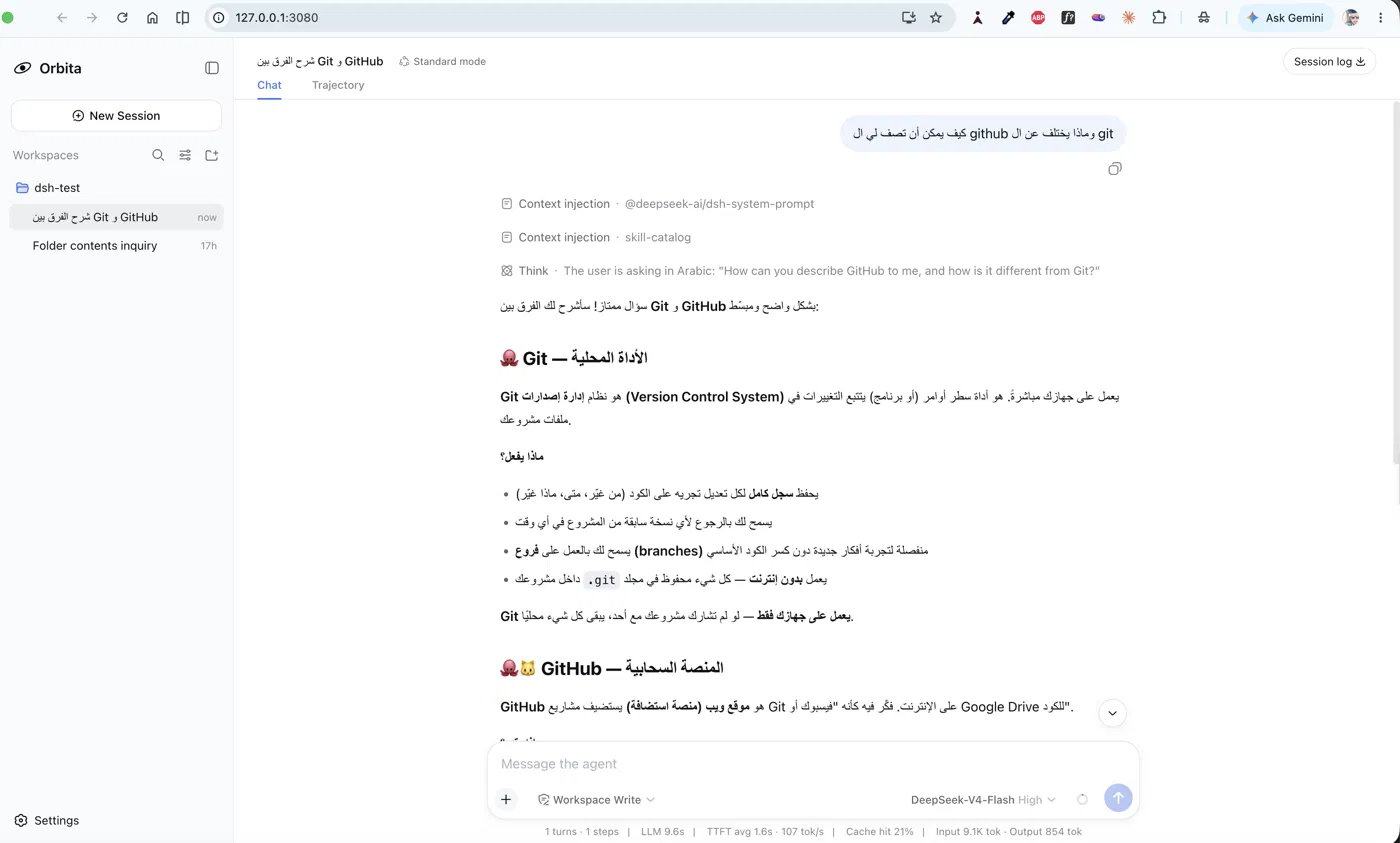 |
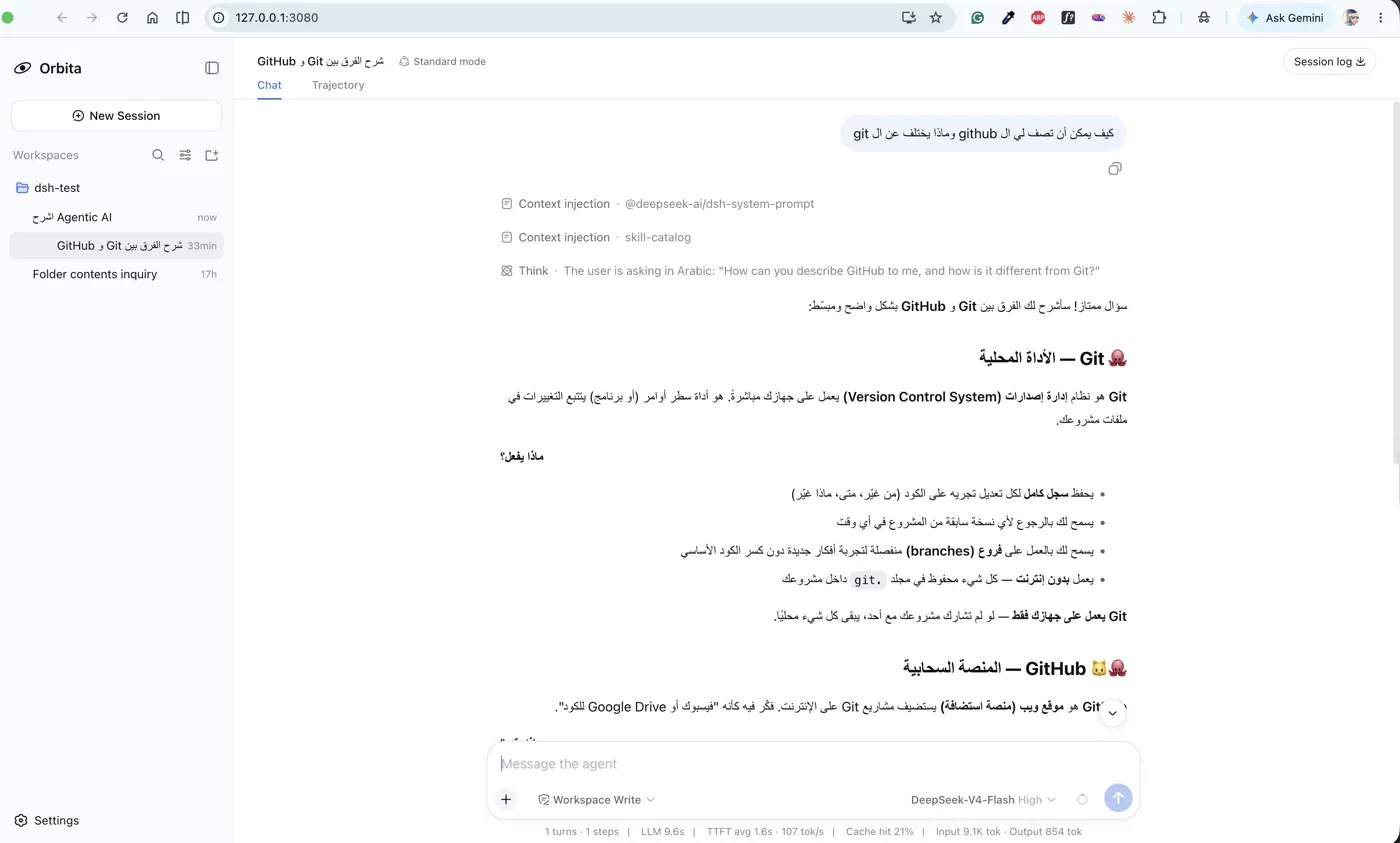 |
A short prompt opening with a Latin product name — the case dir="auto" gets
wrong:
| Before | After |
|---|---|
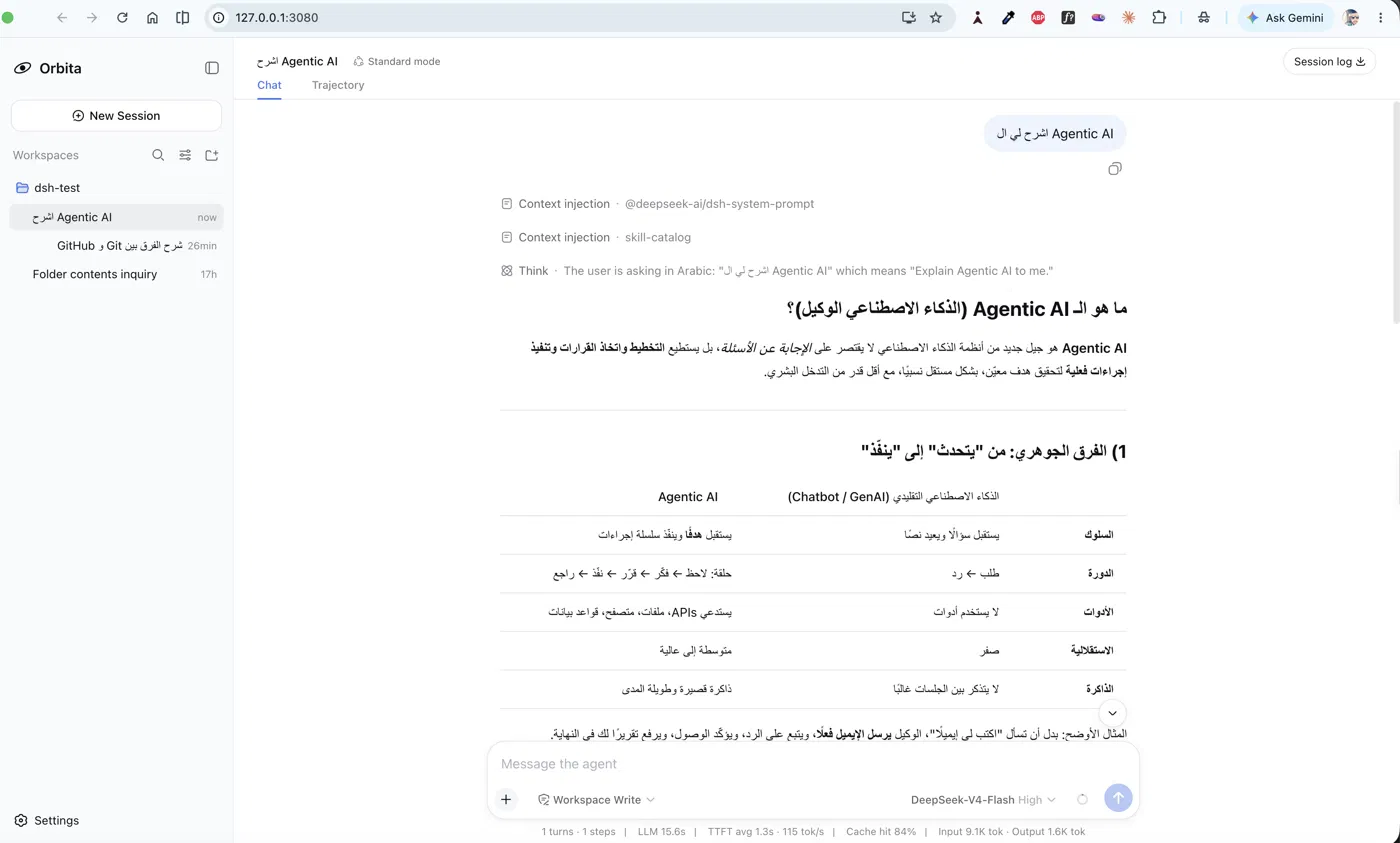 |
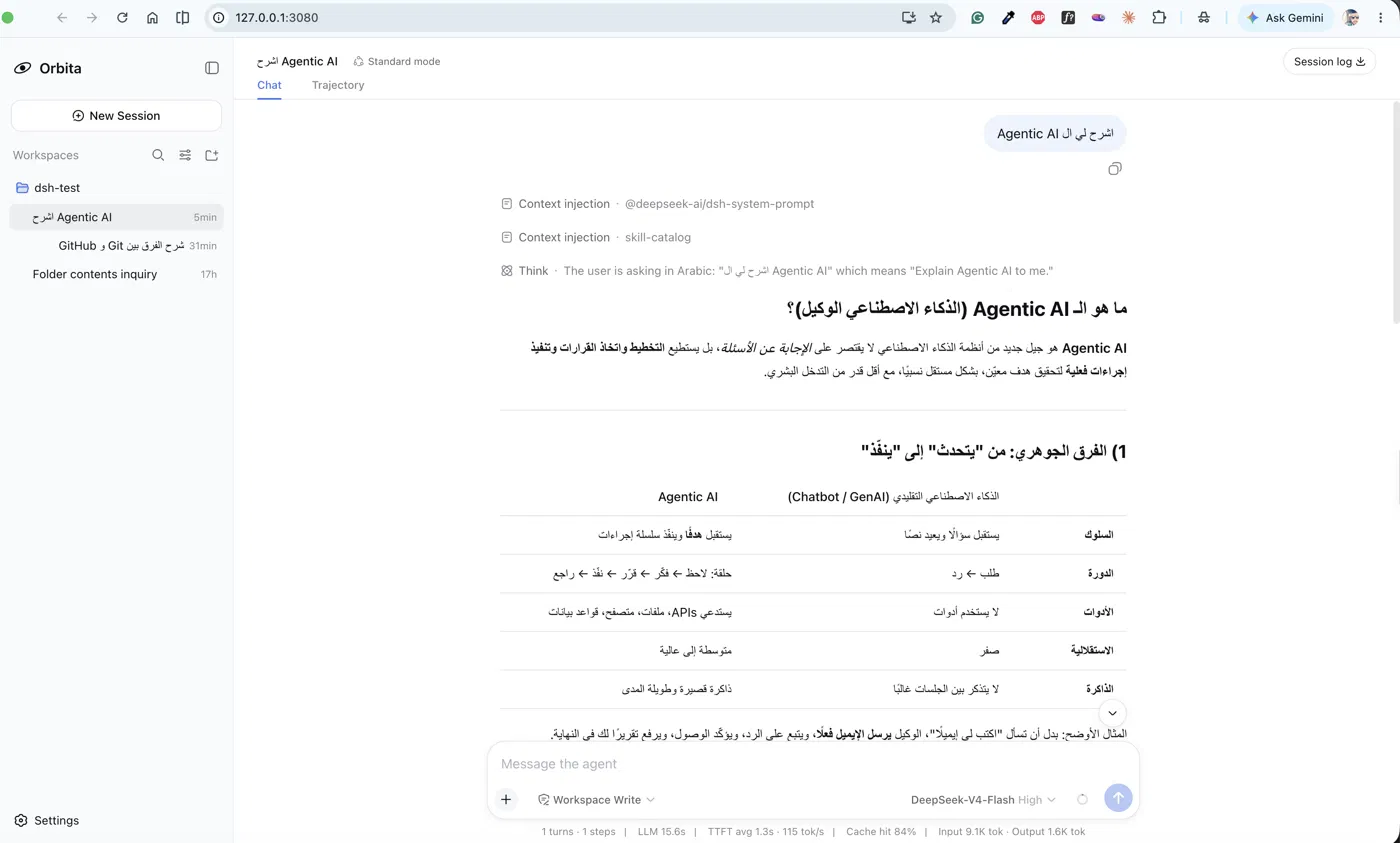 |
dsh plugin --profile web add github:haythamat/dsh-client-ui-rtlRestart dsh web afterwards. The package ships its own patch layer, so no
configuration file needs editing.
dir="auto"dir="auto" resolves direction from the first strong character in the
element. That works for most Hebrew and Arabic text, but it fails on a pattern
that is very common in technical writing in both languages: a sentence opening
with an English product name. The first strong character is Latin, the whole
paragraph resolves left-to-right, and every word after it is misordered.
Direction is estimated by script dominance. This is a product heuristic, not universal direction detection — it is stated explicitly here so it can be tested, versioned, and disagreed with.
dir attribute this package did not set
is left as authored. That is the opt-out.Counting words rather than characters matters because RTL words are short while
Latin technical terms are long: اشرح لي ال Agentic AI is eight Arabic
characters against nine Latin ones, but three Arabic words against two Latin
ones.
Elements are judged on the text they hold directly, not on their
descendants, so a wrapper containing many children is not flipped on account of
its contents, and an inline code span inside a paragraph does not contribute
Latin words. Tables and lists are the exception: they are judged on their whole
subtree, because column order and list markers only reorder when the container
itself flips.
Word dominance has irreducible failure modes. Documented rather than hidden:
شغّل npx @deepseek-ai/dsh web is
one Arabic word against three Latin tokens and resolves left-to-right, which
is wrong. No word-count rule fixes this; it needs authored direction or
inline isolation of the command.<div><div>كيف أستخدم</div><div>dsh-client-ui-brand-official</div></div>
leaves the identifier child correctly LTR in isolation while the sentence it
belongs to is never judged. This is a placement problem, not an estimator
problem; inheriting direction at the root with container-level overrides
avoids it by construction. Set dir explicitly on any block the estimator gets wrong; the package will
leave it alone.
code, pre, kbd, samp, var, form controls, and embedded media are never
marked — their direction is meaningful as authored. No bidi control characters
are inserted into content; the package only sets DOM attributes.
A MutationObserver watches for added nodes and changed text, batched to one
pass per animation frame, so assistant messages are corrected as they stream
rather than only on load. Elements are reconciled rather than marked once: a
block whose balance shifts while it streams has its direction withdrawn or
applied to match.
Attribute mutations are deliberately not observed, since this package writes attributes and watching them would feed its own writes back in.
None, as the package contributes browser presentation only; nothing here reaches a model request.
None; this package neither assembles nor sends a provider request.
DSH_CLIENT_TITLE selects title text at
build time rather than through a UI slot.MIT
CLASSIFICATION EVIDENCE
系统优先读取 GitHub Topics,再与站内分类词典和词根规则比对。当前命中: deepseek-harness。
morluto
Reverse engineer anything with agents, from app behavior down to native binaries.

deepseek-ai
DeepSeek Harness: Everything is a Plugin.

nexu-io
The 1st Collaborative AI Design Agent Workspace. Local-first and open source. Create motion, prototypes, websites, apps, dashboards, presentations, images, and videos with your team and AI agents. Share work, exchange feedback, and iterate together in one workspace.